Who Answers the Phone at 2 A.M.? Auditing the Human Side of Your VPN Vendor

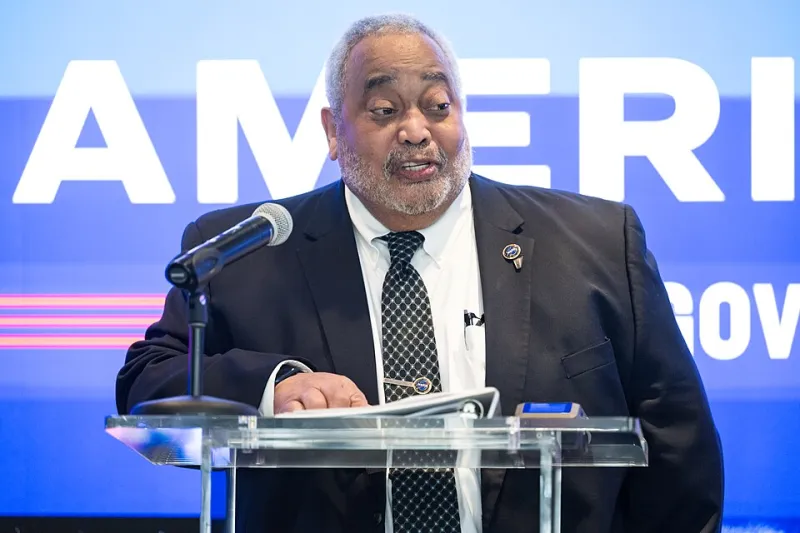
Photo: U.S. Navy photo by Mass Communication Specialist 1st Class LaTunya Howard, Public domain, via Wikimedia Commons
When accounting firms evaluate VPN vendors, the analysis almost always stops at the technology layer. AES-256, WireGuard support, independent audits, kill switches — the checklist writes itself. What gets skipped is the operational layer underneath: the human beings and business processes that sit behind the tunnel. A VPN is not just software. It is a company with a support desk, a billing system, and an account recovery procedure, and each of those functions represents a place where client confidentiality can quietly erode.
The Support Desk Is an Attack Surface
Consider how account recovery actually works at most commercial VPN providers. A user forgets a password, contacts support, and — depending on the vendor — may be able to regain access with nothing more than an email address and a billing confirmation. Now place that interaction in the context of an accounting firm. A fraudster who knows a CPA's name, firm, and email format (all trivially findable) has a reasonable shot at social-engineering their way into a reset. The encryption was never broken; the front door was simply opened by someone in a call center following a script.
Offshore support operations amplify this risk in two ways. First, they often run on high-volume scripts that prioritize ticket closure over identity verification. Second, cultural and procedural distance can make it harder for a US-based firm to escalate a suspicious interaction or confirm what verification steps were actually performed. None of this is a knock on the support agents themselves — it is a structural observation about vendor design. If your vendor treats support as a cost center to be offshored and minimized, that philosophy will show up in how carefully your account recovery is handled.
Follow the Billing Trail
The second operational question is where your payment and identity records live. A multi-year enterprise VPN contract typically generates a trove of data: legal names, business addresses, payment instruments, and usage patterns tied to specific users. If that billing infrastructure sits in a jurisdiction with weak data protection enforcement — or is shared with a parent company that operates in one — your firm has effectively extended its vendor risk footprint without realizing it.
This matters for CPAs for a reason that should be familiar: you would never accept a client's assertion that their data is "secure" without asking where it is stored and who can access it. Apply the same standard to your VPN vendor. A no-log policy on the network side means little if the billing department maintains a detailed, retrievable map of which accountant connected from which location on which night during filing season.
Questions to Ask Before You Sign
Before committing to a multi-year agreement, put these questions to the vendor in writing:
- Where are support staff employed, and what identity verification is required before a password reset or configuration change?
- In which country(s) is customer billing and account data stored, and under what legal framework?
- What is the documented account recovery process, and can it be restricted or hardened for organizational accounts?
- Does the vendor support SSO or team-level administration so individual users cannot trigger recovery flows independently?
- Has the support and recovery workflow ever been included in a third-party security audit — not just the tunnel itself?
Vague answers are themselves a finding. A vendor that has thought seriously about operational security will have documented answers. One that has not will deflect to marketing language about military-grade encryption.
The Contract Clause Nobody Reads
Finally, examine the service agreement for a support liability clause — or the absence of one. Most VPN contracts disclaim responsibility for credential loss and social engineering entirely. That means if a reset request is mishandled, the vendor's contractual exposure may be limited to a refund, while your firm absorbs the breach notification costs, state regulator scrutiny, and client attrition that follow.
Negotiate this. Ask for breach notification timelines specific to support-channel incidents, and for the right to harden recovery procedures on organizational accounts. Vendors serving regulated industries will often accommodate these requests; vendors selling to consumers will not. The response tells you which kind of company you are dealing with.
Reviews Grade the Tunnel; Due Diligence Grades the Company
The takeaway is not that offshore support is inherently disqualifying — plenty of excellent security companies operate distributed teams. The point is that the location and design of support, billing, and recovery functions are legitimate due diligence items that the standard review format ignores entirely. For a firm whose entire value proposition is trust, the vendor behind the tunnel deserves the same scrutiny as the tunnel itself.